Rejuvenate Your Spirit at a Wellness Retreat: A Guide to Inner Peace
Understanding Wellness Retreats
What Is a Wellness Retreat?
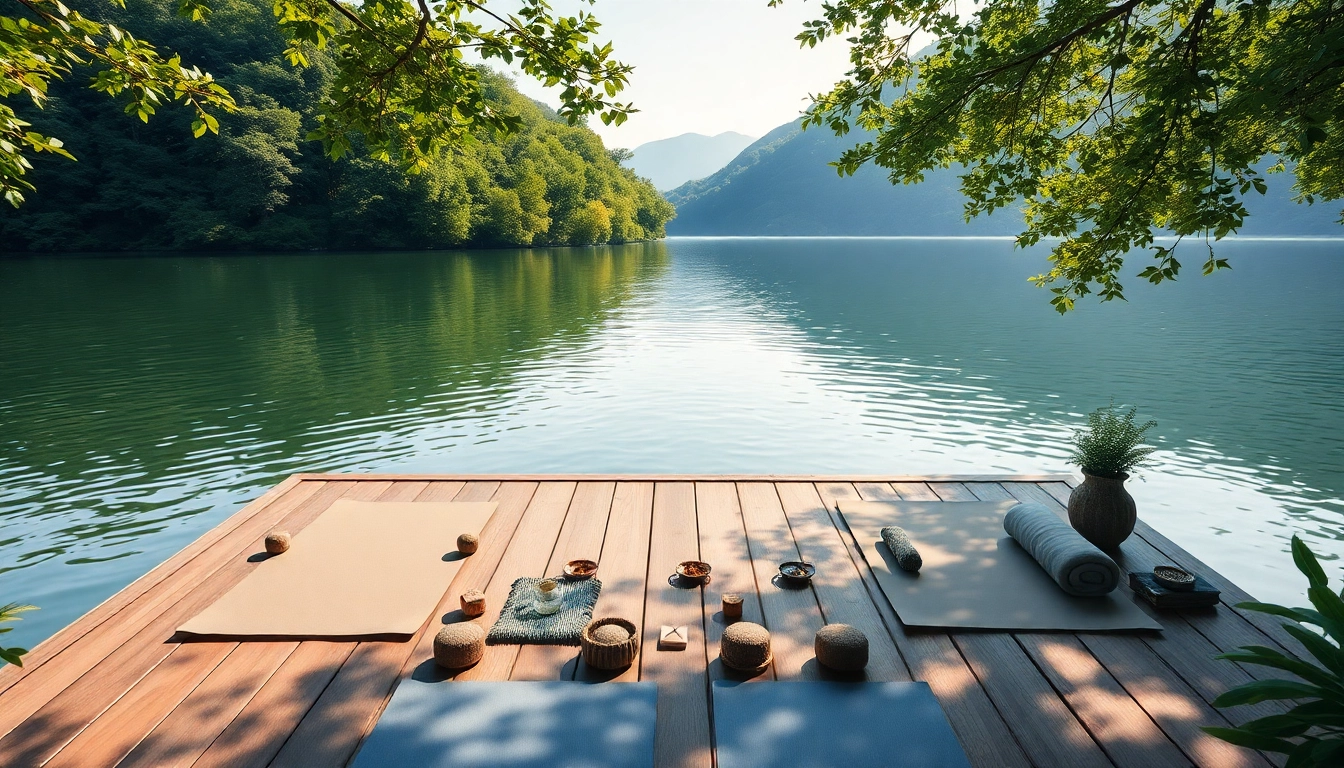
A wellness retreat is a dedicated space and experience away from your daily routine, designed to promote mental and physical well-being. These retreats often combine various elements such as relaxation, healing practices, fitness, and personal growth under professional guidance. Hosted in serene environments, wellness retreats aim to refresh participants’ spirits, rejuvenate their bodies, and provide tools for long-term well-being.
Benefits of Attending a Wellness Retreat
Attending a wellness retreat offers myriad benefits, including:
- Stress Reduction: By taking a break from daily pressures, participants can significantly reduce stress levels.
- Improved Mental Clarity: Focusing on wellness activities helps enhance cognitive function and emotional clarity.
- Physical Health: Engaging in healthy eating and physical activities can lead to better physical health outcomes.
- Community Building: Connect with like-minded individuals, fostering a sense of belonging and support.
- Personal Growth: Opportunities for self-reflection can facilitate personal development and goal-setting.
Types of Wellness Retreats Available
Wellness retreats come in various forms, catering to diverse interests and needs. Some popular types include:
- Yoga Retreats: Combining yoga practice with meditation and mindfulness.
- Fitness Retreats: Focused on rigorous physical activities, workout sessions, and nutritional guidance.
- Spiritual Retreats: Encouraging self-discovery through meditation, mindfulness, and spiritual practices.
- Holistic Retreats: Integrating alternative healing modalities such as acupuncture and aromatherapy.
- Detox Retreats: Aimed at cleansing the body through dietary changes and wellness practices.
Finding the Right Wellness Retreat
Key Factors to Consider When Choosing
Choosing the right wellness retreat is crucial for maximizing your experience. Consider the following factors:
- Location: Choose a serene and aesthetically pleasing environment; proximity may also matter if you have limited time.
- Goals: Clarify personal wellness goals to find a retreat that aligns with them—be it relaxation, fitness, or spiritual growth.
- Duration: Retreats vary in length; select one that fits your schedule and allows ample time for transformation.
- Facilitators: Research the expertise and backgrounds of facilitators to ensure quality guidance.
- Cost: Evaluate your budget to find a retreat offering valuable services within your financial means.
Popular Locations for Wellness Retreats
The location plays a significant role in your overall experience. Some popular destinations include:
- Bali, Indonesia: Known for its lush landscapes and tranquil vibes, ideal for a holistic retreat.
- Sedona, Arizona: Famous for its red rocks and spiritual energy, perfect for spiritual wellness.
- Tuscany, Italy: Offers a picturesque backdrop for culinary and relaxation retreats.
- Costa Rica: A hotspot for yoga and fitness, with abundant natural beauty.
- The Himalayas: Ideal for meditation retreats, fostering deep spiritual exploration.
How to Evaluate Retreat Programs
Assessing retreat programs can ensure they align with your wellness goals. Here’s how to evaluate:
- Curriculum: Review the activities and workshops offered; they should align with your interests.
- Reviews and Testimonials: Investigate feedback from past participants to gauge the effectiveness of the retreat.
- Instructor Credentials: Check instructors’ qualifications and experience in their respective fields.
- Follow-Up Support: Look for retreats that offer ongoing support or resources after the retreat ends.
- Inclusivity: Ensure the program caters to all levels of experience and fitness.
Activities at Wellness Retreats
Experience Yoga and Meditation
Yoga and meditation form the core of many wellness retreats, offering profound benefits. Participants engage in various styles of yoga, such as Hatha, Vinyasa, or Kundalini, tailored to different skill levels. Meditation practices may include guided sessions, mindfulness training, and silent meditation, all aimed at fostering inner peace and reducing stress levels.
Healthy Culinary Offerings
Food plays a significant role in wellness. Most retreats emphasize nutritious, organic meals designed to replenish and detoxify the body. Participants often engage in cooking classes that teach healthy eating habits, emphasizing whole foods and plant-based diets. This culinary experience often serves as both an educational opportunity and a delightful indulgence.
Outdoor Activities and Nature Immersion
Nature immersion is essential for mental rejuvenation. Activities such as hiking, swimming, or nature walks are commonly incorporated into wellness retreats. Engaging with nature provides therapeutic benefits, fostering a deeper connection to the environment and oneself. Such outdoor activities also encourage physical exercise, promoting overall health.
Preparing for Your Wellness Retreat
Packing Essentials for a Wellness Journey
Packing efficiently can enhance your retreat experience. Here are essential items to include:
- Comfortable Clothing: Bring breathable and flexible attire suitable for yoga and outdoor activities.
- Personal Care Items: Include any skincare or dietary supplements you routinely use.
- Journal: A journal can serve as a space for reflection and note-taking during workshops.
- Reusable Water Bottle: Staying hydrated is crucial, so bring a reusable bottle to minimize waste.
- Yoga Mat: While many retreats provide mats, having your own can make a difference in comfort levels.
Mental Preparation: Setting Intentions
Before attending a wellness retreat, setting clear intentions can greatly enhance the experience. Take time to reflect on what you aim to achieve—be it stress relief, personal growth, or improved health. Write down these intentions and revisit them during the retreat to stay focused and engaged in the activities.
Arriving with an Open Mind and Heart
To gain the most from your retreat, approach it with an open mind. Allow yourself to embrace new experiences and teachings without preconceived notions. Resist the urge to compare your journey with others, as personal growth is unique to each individual.
Sustaining Wellness After Your Retreat
Incorporating What You Learned
Post-retreat life often requires intentional effort to maintain the benefits gained. Create a plan to incorporate learned practices into your daily routine, whether through exercise, meditation, or healthy cooking. Setting realistic goals ensures that you can realistically integrate these practices into your lifestyle.
Connecting with a Wellness Community
Building a supportive network after your retreat can significantly aid in sustaining wellness. Seek out local wellness groups or online communities that resonate with your interests. Engaging with others who share similar goals can inspire you to remain motivated and accountable in your wellness journey.
Tracking Your Wellness Journey
Document your wellness journey through journaling or using wellness apps. Regular tracking allows you to reflect on progress, identify challenges, and celebrate achievements. Consider creating a vision board or setting up a wellness calendar to visualize your goals and stay aligned on your path.
FAQs About Wellness Retreats
What should I expect during a wellness retreat?
You can expect a mix of activities focused on relaxation, personal insight, and education. These can include yoga, meditation, workshops, and healthy meals, all aimed at enhancing your well-being.
How long do wellness retreats usually last?
Wellness retreats can vary in duration, typically ranging from a weekend to several weeks, offering options that cater to different schedules and availability.
Can anyone join a wellness retreat?
Most wellness retreats are inclusive and welcome individuals of all fitness and experience levels. Activities often cater to various abilities, ensuring everyone can participate.
What types of meals are provided during a retreat?
Meals at wellness retreats are usually healthy, nutritious, and often plant-based. They focus on organic ingredients designed to support detoxification and overall well-being.
How can I prepare mentally for a retreat?
Prepare mentally by setting clear intentions, practicing mindfulness, and being open to new experiences. Reflect on your goals and come with a willingness to embrace change.