Maximizing Your Space: How to Choose the Right Freezer for Your Needs
Understanding Freezer Types
Chest Freezer vs. Upright Freezer
Choosing the right freezer for your needs starts with understanding the difference between chest and upright models. A chest freezer, with its horizontal design, typically offers more insulation, which can make it more energy-efficient. It is ideal for bulk storage, providing ample space to store larger items and allowing you to maximize storage without piling items on top of each other. However, accessing items on the bottom may require a bit of digging, and the chest design can take up more floor space.
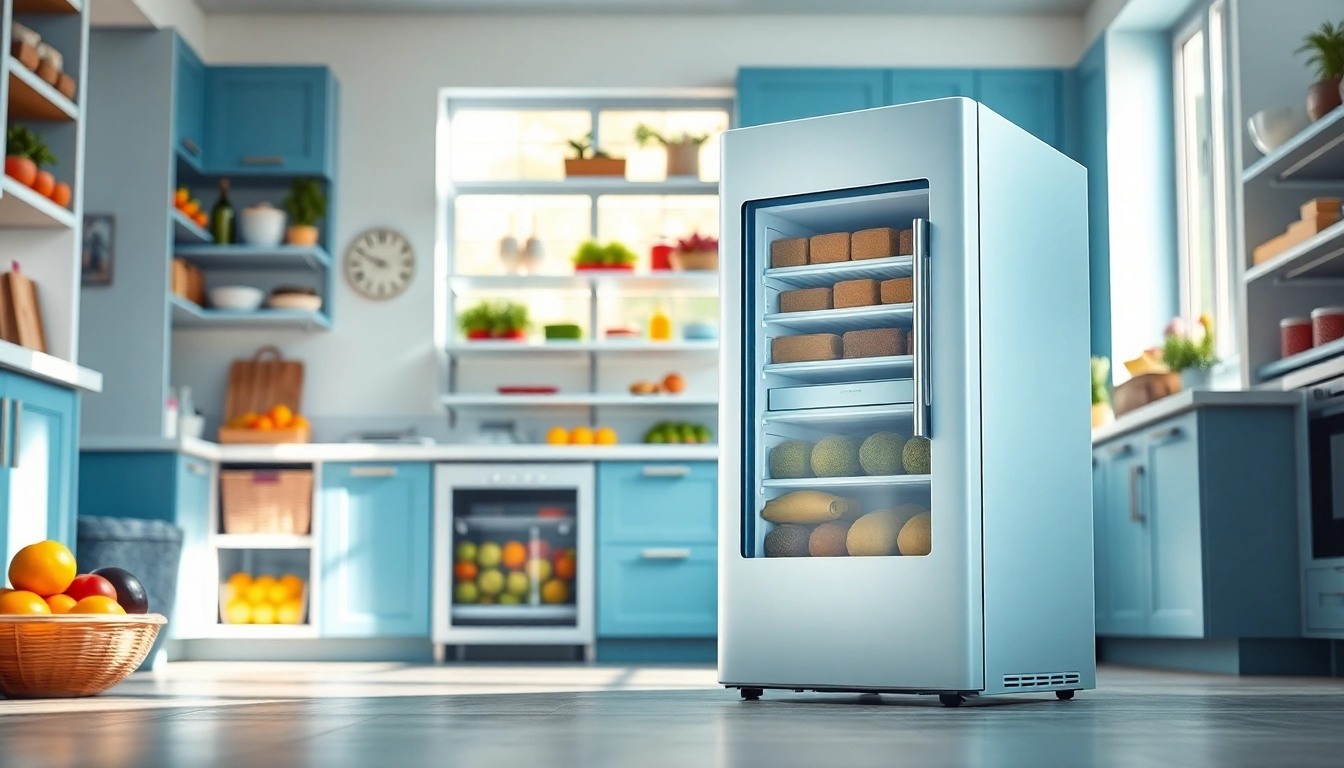
On the other hand, upright freezers feature a vertical design that can fit better in smaller spaces. They often come with shelves and compartments, making it easier to organize items. However, they can be less energy-efficient than chest freezers. Depending on your storage habits and available area, each type of freezer has its distinct advantages.
Energy Efficiency and Unit Costs
Energy efficiency is a crucial factor when selecting a Freezer. Modern freezers are designed to use less energy, often incorporating technologies such as energy-saving mode, adjustable thermostats, and high-efficiency compressors. For consumers, it’s essential to check the energy guide label which indicates the estimated yearly energy cost. Generally, a well-rated energy-efficient freezer can save a significant amount on electricity bills over its lifetime, often returning its initial investment through reduced costs.
Unit costs vary widely based on type, size, and features. While chest freezers may cost less upfront, upright models offer more convenience but sometimes come at a higher price point. It’s essential to balance upfront cost against long-term energy costs to determine the best value.
Size and Capacity Considerations
When selecting a freezer, size and capacity are key factors. The right size depends on your household’s food storage needs and space availability. For larger families or those who buy in bulk, a freezer ranging from 15-25 cubic feet is often recommended. Alternatively, smaller households or individuals may find a model between 5-7 cubic feet adequate.
Consider how and what you plan to store. If you tend to freeze whole meals or larger items, a chest freezer may be more suitable. Meanwhile, if you prefer to store frozen vegetables or ready-to-eat meals in an organized manner, an upright freezer’s shelving can provide the structure you need.
Features to Look for in a Freezer
Temperature Control and Maintenance
Temperature control is vital for maintaining the freshness and safety of frozen foods. Look for models with adjustable thermostats that allow you to set and monitor the temperature accurately. Some modern freezers come with digital displays, making this task even easier.
Regular maintenance is essential to ensure efficient operation. This includes defrosting, cleaning, and checking door seals for wear which can lead to cold air leaks. Choosing a model with a self-defrosting feature can alleviate some of the maintenance responsibilities.
Interior Organization Options
Efficient interior organization significantly impacts your freezer experience. Shelves, bins, and baskets allow for tailored storage solutions, maximizing your space. For chest freezers, consider purchasing stackable bins that make accessing items easier. For upright models, look for pull-out baskets that allow easy access to frequently used items.
Noise Levels and Design
The design and noise level of a freezer are often overlooked but highly important. Models with quieter operation can be particularly useful if the freezer will be placed near living areas. Additionally, consider the aesthetic of the design; a sleek, modern look may complement your kitchen better, while practical finishes can make it easier to clean.
Best Practices for Freezer Storage
Food Labeling and Rotation
Proper food labeling is vital in managing your freezer effectively. Use waterproof labels indicating the types of food, date of freezing, and any special notes regarding preparation or use. Implementing a first-in, first-out (FIFO) method ensures that older items get consumed before they go bad, minimizing food waste and improving efficiency.
Maximizing Space and Accessibility
Maximizing space involves strategic organization. Sort your items by type—meats in one section, vegetables in another, and prepared meals in yet another. Utilizing organized bins can also help, but avoid overfilling to promote air circulation, which is crucial for keeping items properly frozen.
Defrosting Techniques and Maintenance
Defrosting your freezer regularly is crucial for optimal performance, especially in non-frost-free models. Maintain a clean, ice-free interior by allowing ice build-up to reach a quarter inch before defrosting. To defrost effectively, unplug the freezer, remove all items, and allow ice to melt naturally. Sponges or towels can be used to soak up the water as it melts, maintaining a tidy process.
Common Problems with Freezers
Understanding Frost Build-Up
Frost build-up is a common issue that can lead to reduced efficiency and storage space problems. This often occurs due to moisture entering the freezer, caused by leaving the door open too long or not sealing it properly. To combat frost accumulation, regularly check seals and only open the freezer when necessary.
Addressing Temperature Fluctuations
Temperature fluctuations may indicate underlying issues, such as a malfunctioning thermostat or airflow obstruction. Regularly monitoring temperatures with an appliance thermometer can help identify problems early. If high temperatures persist, it may be worth contacting a professional for repair or assessing the freezer’s placement for proper airflow.
Unexpected Noises and Solutions
Freezers can sometimes produce unexpected noises—buzzing, rattling, or hissing—that may signal a problem. Buzzing might indicate the compressor is working hard, while rattling could suggest loose parts. Regular maintenance, such as checking for debris at the back of the unit or ensuring it’s level, can often remedy these issues. However, persistent noises should be investigated further.
FAQs About Freezers
What size freezer is best for my household?
Determine based on your food storage needs and available space. Generally, a small household may need a 5-7 cu ft model, while larger families might need 15 cu ft or more.
How do I maintain my freezer?
Regularly clean the interior, check seals for wear, and defrost when ice buildup exceeds a quarter inch for optimal efficiency.
Can I convert my refrigerator to a freezer?
While technically possible, it is not advised due to efficiency and design differences. It’s best to use appliances designed for their specific functions.
How energy-efficient are modern freezers?
Most modern freezers are designed to be energy-efficient, often using less than 500 kWh per year, depending on size and model.
What is the lifespan of a typical freezer?
With proper maintenance, a quality freezer can last around 15 to 20 years, depending on usage and model quality.