How to Start a Residential Architecture Project: A Comprehensive Guide
Understanding Residential Architecture Projects
Defining Residential Architecture
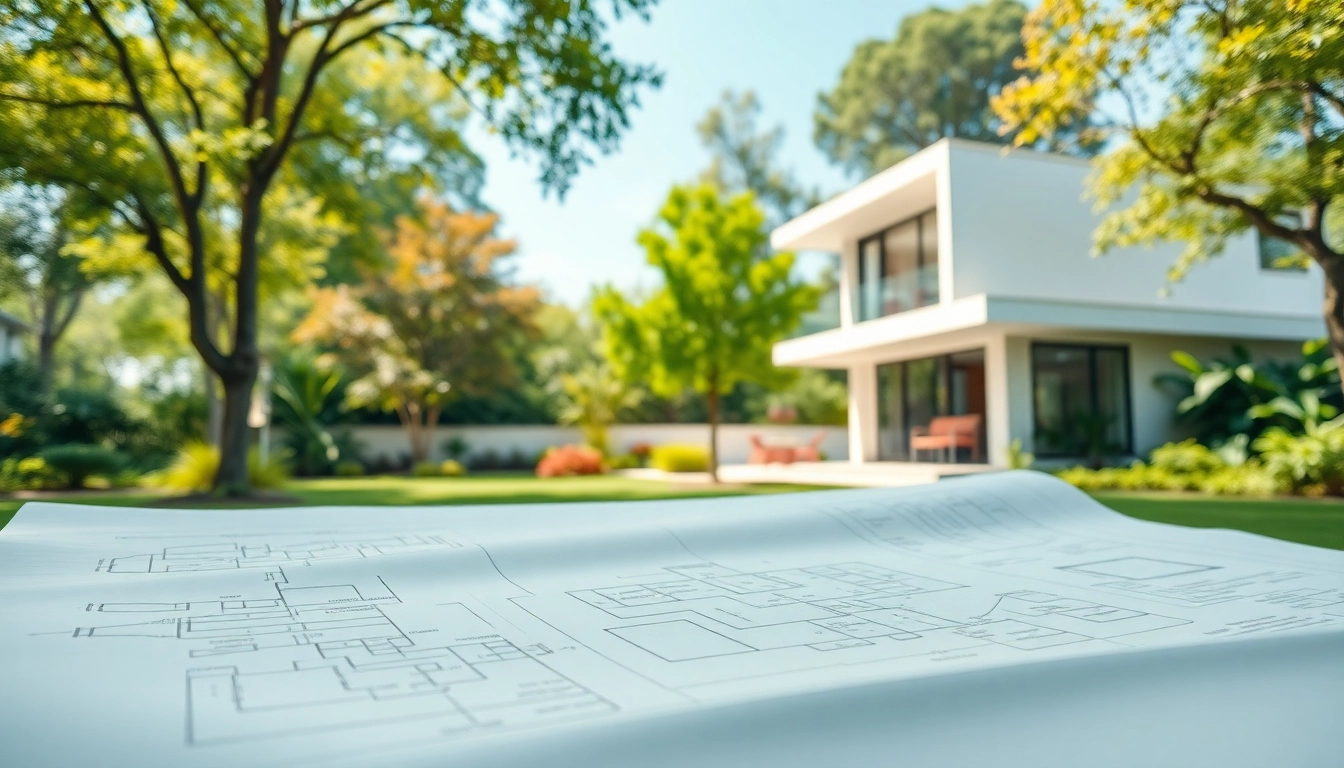
Residential architecture is a specialized branch of architecture focused on the design, planning, and building of homes and dwelling spaces. This field blends aesthetic considerations with practical needs, creating environments that reflect individual tastes while functioning as comfortable dwellings. It encompasses a variety of structures, from single-family homes and multi-family units to apartments and condos, emphasizing not only the form of a building but also functionality, sustainability, and community integration.
The Importance of Planning
Effective planning is the cornerstone of any successful residential architecture project. It involves a thorough understanding of the site, the client’s needs, and the relevant zoning regulations. Proper planning also aids in foreseeing potential challenges and limitations, thus avoiding costly delays or modifications during the construction phase. An implicit goal of planning is to create a seamless and harmonious relationship between the architecture and its surrounding environment, enhancing both the functionality and aesthetics of the space.
Key Elements of Success
Success in residential architecture projects doesn’t just happen; it requires careful consideration of various elements. These include a clear vision, well-defined objectives, effective communication among stakeholders, and adherence to timelines and budgets. Successful projects often incorporate input from both architects and potential residents early in the design process, ensuring the final product meets user needs and expectations while fostering a sense of community.
Preparing to Start a Residential Architecture Project
Setting Your Goals
Before diving into a residential architecture project, it’s crucial to establish clear, achievable goals. These goals may range from specific design aesthetics to practical elements such as energy efficiency, cost-effectiveness, and long-term usability. Define what success looks like for your project; whether it’s a sustainable build, a unique architectural style, or the complete integration of technology, setting these objectives will guide subsequent decisions and design processes.
Budgeting for Your Project
A well-structured budget is essential for any residential architecture project. When budgeting, consider all potential costs, including design fees, construction expenses, permits, and unexpected overruns. It’s advisable to include a contingency fund—usually 10% of the total budget—to address any unforeseen challenges that may arise during construction. Consulting with professionals during the budgeting phase can help set realistic financial expectations.
Finding the Right Location
The importance of location in residential architecture cannot be overstated. Factors such as the surrounding neighborhood, proximity to essential amenities, and environmental considerations play a significant role in the overall success of the project. Identify a site that complements your architectural vision while also offering practical advantages—a plot of land with appropriate zoning, accessibility, and an appealing atmosphere can make a significant difference in the final outcome.
Choosing the Right Architect
Identifying Your Needs
Finding the right architect begins by identifying your unique needs. Consider what features are essential for your home, such as the number of rooms, preferred style, and sustainability aspects. Knowing what you want can help in seeking an architect whose strengths align with your vision. Creating a detailed brief that outlines these needs can serve as a reference during discussions with potential architects.
Evaluating Architect Qualifications
When evaluating potential architects, look for qualifications, experience, and portfolios that highlight relevant projects. Investigate their design style and how it aligns with your vision. Recommendations from past clients can also offer insight into their work ethics and practices. Furthermore, confirm they are licensed and knowledgeable about local building codes, zoning laws, and sustainable building practices, which can impact project success.
Interviewing Candidates
Interviewing candidates is a vital step in selecting the right architect. Prepare a list of questions that cover their design philosophy, experience, and approach to client communication. Discuss their previous projects and any challenges they faced and how they overcame them. This will give you an idea of how they may handle your project. Clarity and comfort in communication are vital, as a good architect-client relationship resembles a partnership throughout the project.
Design Process in Residential Architecture
Initial Design Concepts
The design process kicks off with initial concepts where architects translate your needs and preferences into visual representations. Expect various sketches and digital models that encapsulate different aspects of your vision. This phase is flexible, inviting feedback and iterations to ensure all elements resonate with your desires. Collaboration at this stage is vital—open dialogue will enhance the design and make sure all concerns are addressed before moving forward.
Revisions and Feedback
Following the initial designs, the revision process begins. This phase allows time for reflection and constructive feedback. It’s vital to engage openly with your architect and provide specific suggestions based on your vision and lifestyle. The aim is to refine the designs according to your preferences while ensuring compliance with local building regulations. A well-managed revision process can lead to the optimized final design that feels both personalized and functional.
Finalizing the Design
Finalizing the design is a critical moment in the project timeline. After rounds of revisions and feedback loops, the design is confirmed, leading to detailed drawings and specifications that inform the construction phase. This step often requires a comprehensive review to ensure every detail aligns with your expectations and budget. Once finalized, the plans are prepared for submission for necessary permits, setting the stage for actual construction.
Implementing Your Architectural Vision
Construction Project Management
With designs in hand, construction management begins. This phase involves coordinating all aspects of the build, including hiring contractors, scheduling work, and acquiring materials. It’s essential to maintain open lines of communication between all parties to address issues as they arise promptly. A skilled project manager can oversee daily operations while ensuring adherence to timelines and budgets, streamlining the entire process from foundation to finishing touches.
Inspections and Quality Assurance
Quality assurance during construction is paramount. Regular inspections ensure that building practices relate to the approved designs, conforming to safety and regulatory standards. Incorporating quality checks at various stages of construction can minimize issues that lead to costly rectifications later. Engaging external auditors or inspectors can be beneficial—they provide unbiased assessments that maintain high-quality builds.
Post-Completion Considerations
Once the project is complete, post-completion considerations come into play. This phase includes a walkthrough to identify any final adjustments or outstanding work. Post-completion also offers a chance to evaluate the overall project, reflecting on successes and lessons learned. Maintenance planning should also be discussed to ensure the longevity of the build, from landscaping to technology integrations in the home. This is crucial for optimizing your investment over time.
Frequently Asked Questions
What is involved in starting a residential architecture project?
The process includes identifying your needs, setting a budget, and selecting an architect. Each stage needs thorough planning to achieve desired outcomes effectively.
How do I choose the right architect for my project?
Consider their experience, past projects, and communication style to ensure a good fit. Aligning their design philosophy with your needs is crucial for success.
What factors should be considered in budgeting?
Include design fees, construction costs, permits, and potential overruns in your budget. A contingency fund is also advisable to address unforeseen expenses during the project.
How long does a residential architecture project typically take?
It varies by size and complexity, but projects can take anywhere from several months to over a year. Accurate timelines rely on clear planning and execution.
What are the common challenges during construction?
Challenges can include delays, budget overruns, and compliance with local regulations. Effective management and clear communication can help to mitigate these issues.
With a structured approach, you can confidently Start a residential architecture project that reflects your vision while adhering to best practices and professional standards.