Essential Insights on On-Site Hydraulic Repair Services for Optimal Machinery Performance
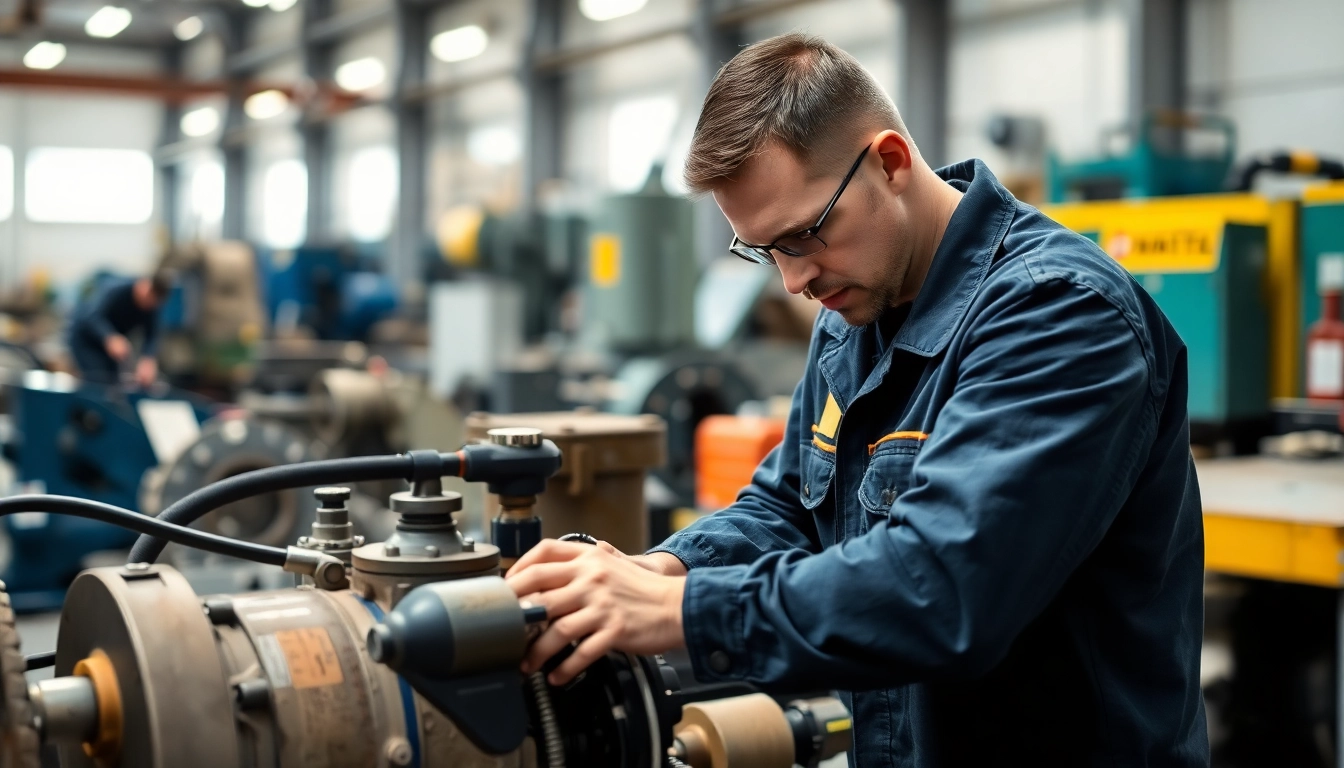
The Importance of On-Site Hydraulic Repair
In an industrial landscape where machinery plays a pivotal role, unexpected hydraulic failures can lead to significant downtime and financial losses. That’s where on-site hydraulic repair services shine. Unlike traditional repair methods that require transporting machinery to a workshop, on-site repair offers immediate response and comprehensive service right where machines operate. This approach enhances productivity and efficiency while drastically reducing disruption in operations.
Why Choose On-Site Over Traditional Repair?
Choosing on-site hydraulic repair provides numerous advantages over traditional methods. One primary reason is convenience: services can be conducted at the location of the machinery, eliminating transport costs and time. This is particularly beneficial for heavy duty, immobile equipment or machinery involved in critical tasks. Furthermore, this method reduces the risk of damage during transportation, ensuring that the integrity of the hydraulic system remains intact.
Benefits of Immediate Responsiveness
Immediate responsiveness is a crucial aspect of on-site hydraulic repair. When machinery fails, the immediate availability of skilled technicians can mean the difference between a minor inconvenience and a catastrophic loss of productivity. With the capability to diagnose and address issues swiftly, on-site services minimize delays, allowing operations to resume promptly. This rapid response is invaluable in industries where time is directly correlated to profitability.
Reducing Downtime and Increasing Efficiency
Reducing downtime through on-site hydraulic repair significantly contributes to operational efficiency. By resolving issues quickly, businesses limit interruptions that can spiral into extensive delays. With trained professionals equipped with necessary tools arriving at the site, repairs can often be completed in a matter of hours, or even minutes in emergencies. This efficiency correlates directly with increased productivity and better overall business performance.
Key Components of Hydraulic Repair Systems
Understanding the inner workings of hydraulic systems is imperative for effective repair. Various components work together to ensure smooth operation, and awareness of these can aid in diagnosing problems, selecting the right tools, and implementing effective solutions.
Understanding Hydraulic Components
Hydraulic systems consist of several key components, including hydraulic cylinders, pumps, valves, and hoses. Recognizing how these components interact is essential for effective troubleshooting and repair. For instance, hydraulic cylinders convert hydraulic energy into mechanical work, while pumps generate flow and pressure. A failure in any of these components can lead to system malfunction, underlining the importance of thorough understanding during repairs.
Essential Tools and Equipment
Technicians carrying out on-site hydraulic repairs rely on a set of essential tools and equipment. These often include hydraulic jacks, wrenches, gauges, and various diagnostic equipment to assess system health. Additionally, portable hydraulic hose manufacturing equipment allows for immediate replacement of damaged hoses, ensuring that repairs are not only prompt but also of high quality.
Safety Protocols During Repair
Safety should always be at the forefront during hydraulic repairs. Technicians need to observe protocols including proper handling of hydraulic fluids, adequate use of personal protective equipment (PPE), and secure machinery stabilization during repairs. Implementing these safety measures protects not only the technician but also the integrity of the hydraulic system and surrounding workspace.
Common Hydraulic Issues and Solutions
Hydraulic systems are not without their problems; common issues can arise from wear, incorrect setup, or even environmental factors. Recognizing these problems enables quicker resolution and repeat effectiveness in service.
Identifying Fluid Leaks and Their Causes
Fluid leaks are among the most frequent issues faced in hydraulic systems. They can arise from damaged hoses, faulty seals, or improper connections. Identifying the source of a leak is critical; technicians analyze signs such as fluid puddles or drops on machinery to locate the problem. Repairing a leak may require replacement of hoses or seals, ensuring that the hydraulic system maintains pressure and operates efficiently.
Addressing Hydraulic Cylinder Failures
Hydraulic cylinders may fail due to corrosion, mechanical stress, or wear over time. When cylinder failures occur, they can result in a complete loss of functionality in hydraulic systems. Addressing such failures typically involves inspecting the cylinder for damage, checking seals, and evaluating the hydraulic fluid’s condition. Repair may necessitate the replacement of the cylinder or specific components to restore functionality.
Repairing Hydraulic Hose Damage
Hydraulic hose damage is another prevalent issue leading to hydraulic failures. Tight bends, kinks, or external damage can cause hose rupture or failure. Repairing hose damage often requires the technician to cut out the damaged section and replace it with a durable section of new hose. On-site services should ideally involve mobile hose-making capabilities to ensure minimal downtime during repair.
Best Practices for On-Site Hydraulic Repair
Implementing best practices not only enhances repair outcomes but also extends the longevity of hydraulic systems. Adopt practices that align with operational integrity and organizational goals for maintenance.
Routine Maintenance Tips for Preventive Care
Routine maintenance is vital for preventing hydraulic failures. Regular inspections, monitoring fluid levels, and searching for leaks will help identify issues before they escalate. Technicians should develop a maintenance schedule tailored to their equipment to ensure consistent vigilance over hydraulic systems, thus extending their operational lifespan.
Training and Certification for Technicians
Investing in the training and certification of technicians is crucial. Well-trained personnel are more adept at handling complex hydraulic systems and are better equipped to troubleshoot issues effectively. Organizations should prioritize continuous education to ensure that technicians are knowledgeable about the latest technologies and methods in hydraulic system repair.
Investing in Quality Parts and Tools
Using high-quality parts and tools is fundamental to effective repairs. These materials not only improve the reliability of repairs but also enhance system performance. Quality components often lead to longer intervals between repairs and lower total operational costs, validating the upfront investments made in superior materials and tools.
Frequently Asked Questions About On-Site Hydraulic Repair
What is on-site hydraulic repair?
On-site hydraulic repair refers to the process of fixing hydraulic systems directly at the location of the machinery, avoiding transportation costs and delays often associated with traditional repair methods.
How much does on-site hydraulic repair cost?
The cost of on-site hydraulic repair varies based on the type of machinery, the extent of the damage, and the complexity of the repairs needed. Generally, prices reflect service delivery and parts used.
What are common issues addressed during on-site repairs?
Common issues include hydraulic fluid leaks, cylinder failures, hose damages, and malfunctioning valves. Addressing these ensures consistent operational efficiency.
How quickly can on-site hydraulic repairs be performed?
The speed of on-site hydraulic repairs largely depends on the issue’s complexity, but many repairs can often be completed within hours, minimizing machinery downtime.
Is on-site hydraulic repair available for all types of machinery?
Yes, on-site hydraulic repair services cater to a wide range of machinery, including construction equipment, agricultural machinery, and industrial tools, providing versatile solutions to different industries.
Contact Information
Call Us: 1 780-452-2876
Email: [email protected]
Address: 13111 159 St NW, Edmonton, AB, Canada, T5V 1H6