Enhancing Your Space with Elegant Shower Sliding Doors
Introduction to Shower Sliding Doors
In modern bathroom design, shower sliding doors have emerged as one of the most popular choices for homeowners and designers alike. These doors not only enhance the aesthetic appeal of a bathroom but also maximize space and offer practicality. In this article, we will dive deep into what shower sliding doors are, examine their benefits, explore various types, and provide insights into installation, maintenance, and more.
What are Shower Sliding Doors?
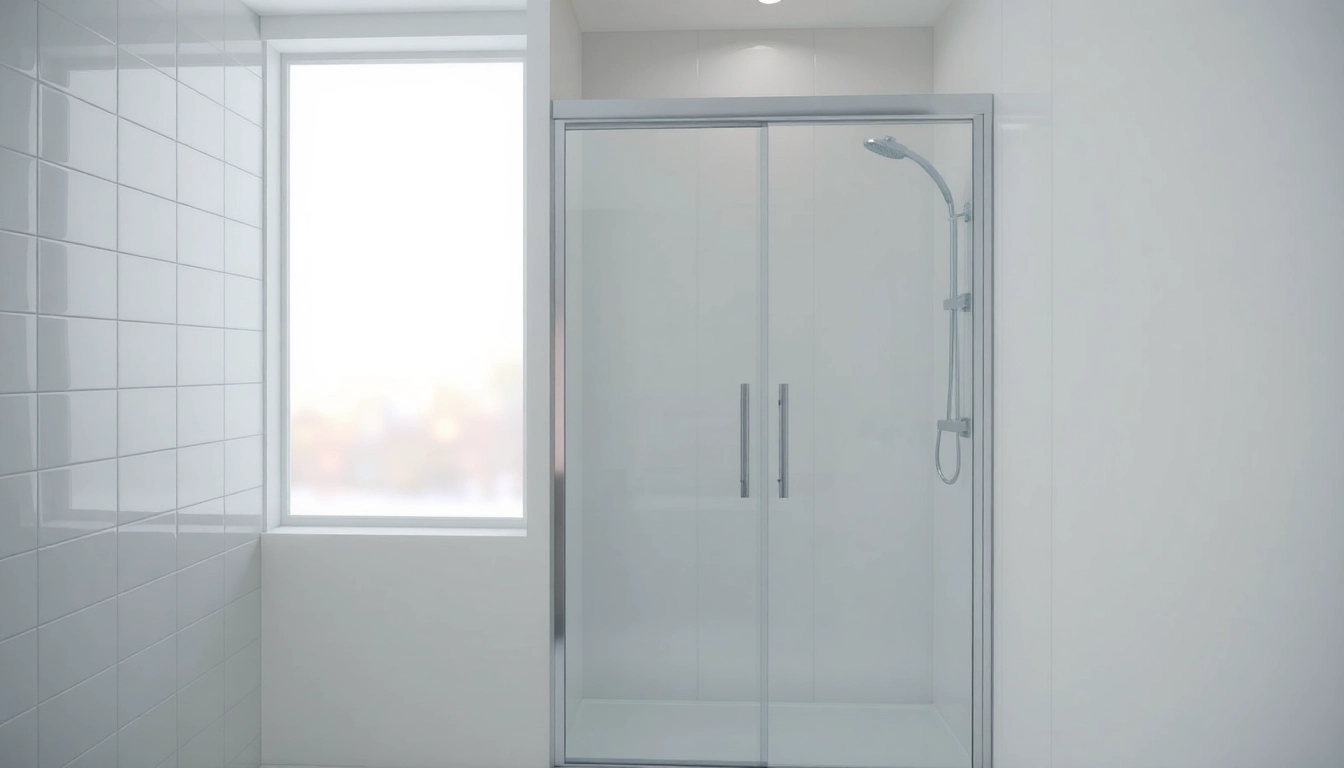
Shower sliding doors are door systems designed to slide open along a track, providing an easy and space-efficient method for entering and exiting the shower. Unlike traditional hinged doors, which require ample clearance to open, sliding doors save space and are perfect for compact or minimalist bathroom designs. Available in various materials, including glass and acrylic, they can be customized to fit any shower size and style.
Benefits of Choosing Shower Sliding Doors
The advantages of installing shower sliding doors are manifold. Here are some key benefits:
- Space-saving design: Sliding doors require less room to open compared to hinged doors, making them ideal for small bathrooms.
- Enhanced aesthetics: Available in various designs, shower sliding doors can add elegance and a modern touch to any bathroom decor.
- Easy accessibility: These doors glide smoothly, providing easier access to the shower, especially for individuals with limited mobility.
- Effective water containment: Properly installed sliding doors effectively prevent water from splashing outside the shower area.
- Customization options: Homeowners can choose from a range of materials, colors, and styles to match their unique taste and bathroom design.
Types of Shower Sliding Doors
Shower sliding doors come in several types to suit different preferences and bathroom layouts:
- Frameless sliding doors: These doors feature minimal metal framing for a sleek, modern look and a feeling of spaciousness.
- Framed sliding doors: With more substantial metal frames, these doors offer enhanced durability and support, often at a lower price point.
- Bifold sliding doors: These doors fold inwards as they slide open, which is excellent for tight spaces.
- Corner sliding doors: Designed specifically for corner shower enclosures, these doors offer a flexible entry point in small bathrooms.
Key Features of Shower Sliding Doors
Material Choices for Shower Sliding Doors
The materials used in constructing shower sliding doors can significantly influence their appearance, durability, and maintenance requirements. Common options include:
- Tempered glass: Strong and resistant to thermal shock, tempered glass is a popular choice for its transparency and sleek look.
- Acrylic: Lightweight and available in various colors and patterns, acrylic doors are more affordable but may scratch more easily than glass.
- Polycarbonate: Known for being virtually unbreakable, polycarbonate is an excellent alternative to glass for safety-conscious households.
Design Styles of Shower Sliding Doors
Shower sliding doors are available in several design styles, allowing you to choose one that complements your bathroom decor:
- Contemporary: Clean lines and minimalistic designs characterize contemporary sliding doors.
- Traditional: Featuring ornate frames and decorative elements, traditional doors bring a classic charm to any bathroom.
- Industrial: Combining metal and glass, industrial sliding doors can create a unique and modern aesthetic.
- Bespoke: Many manufacturers offer customizable options to fit specific sizes or styles, enhancing the unique aspect of the design.
Functional Features to Consider
When selecting shower sliding doors, it’s essential to consider functional features that enhance usability:
- Rollers: Choose high-quality rollers for smooth operation and longevity, minimizing wear over time.
- Water-repellent coatings: These coatings can help prevent water spots and buildup, making cleaning easier.
- Magnetic seals: Magnetic seals prevent leaks and provide tighter closure, enhancing water containment.
- Adjustable hinges: Adjustable hinges can help ensure that the doors fit perfectly, even if the walls are not perfectly plumb.
Installation Process for Shower Sliding Doors
Preparing Your Bathroom for Installation
Before beginning the installation of shower sliding doors, it’s crucial to prepare your bathroom appropriately:
- Clear the area of any obstructions, including toiletries and other items.
- Ensure that the shower base or enclosure is level and properly installed to ensure the door operates smoothly.
- Gather all necessary tools, including a level, drill, measuring tape, and silicone sealant.
Steps for Installing Shower Sliding Doors
- Measure the opening: Measure the height and width of the shower to ensure that new sliding doors will fit correctly.
- Install the top track: Follow manufacturer instructions to secure the top track to the wall.
- Install the rollers: Attach rollers to the panels as per guidance, ensuring they move freely.
- Hang the doors: Slide the panels into the top track and position them appropriately.
- Secure the bottom track: Install and secure the bottom track to keep the doors aligned.
- Seal the edges: Use silicone sealant to prevent water leakage, ensuring a tight fit around edges.
Hiring a Professional vs. DIY
While DIY installation can save costs, consider hiring a professional if:
- You lack experience in home improvement projects.
- Your bathroom has unique dimensions requiring custom solutions.
- You prefer to ensure a seamless, hassle-free experience without the risk of mistakes.
Ultimately, the decision should be based on your comfort level and the complexity of the installation.
Maintenance Tips for Shower Sliding Doors
Cleaning Techniques for Glass Surfaces
To maintain the clarity and shine of your shower sliding doors, follow these cleaning techniques:
- Use a squeegee after each shower to minimize water spots and soap scum buildup.
- For tougher stains, mix vinegar and water in equal parts and spray the mixture on the glass, allowing it to sit for a few minutes before wiping.
- Avoid abrasive cleaners or scrubbers which can scratch the surface.
Common Repairs and Troubleshooting
Over time, your sliding doors may experience issues, such as:
- Stuck doors: Check for debris in the tracks and clean accordingly. Adjust or replace rollers if needed.
- Leaking doors: Inspect seals and replace them if damaged to prevent water from escaping.
- Scratched surfaces: Consider using a glass polish to buff out minor scratches, or replace panels if damage is severe.
Preventative Measures for Longevity
To prolong the lifespan of your shower sliding doors:
- Regularly clean and inspect the tracks and rollers to keep them in good condition.
- Consider applying a protective coating to the glass to enhance resistance to water and stains.
- Be gentle when sliding the doors to avoid wear and tear.
FAQs About Shower Sliding Doors
How do I clean shower sliding doors effectively?
Use a solution of equal parts white vinegar and water. Spray it on, let sit, then wipe with a soft cloth for streak-free shine.
What sizes of shower sliding doors are available?
Shower sliding doors come in various sizes, typically ranging from 48 to 72 inches in width and up to 78 inches in height.
Can shower sliding doors fit in any bathroom?
Yes, shower sliding doors can be customized to fit different bathroom layouts, making them versatile for most designs.
Are shower sliding doors easy to install?
While some homeowners may manage DIY installation, hiring a professional is recommended for a seamless fit and finish.
What materials are best for shower sliding doors?
Tempered glass is commonly preferred for its durability and aesthetic, while acrylic is a cost-effective alternative.