Discovering the Beauty of Landscapes: Capturing Nature’s Finest
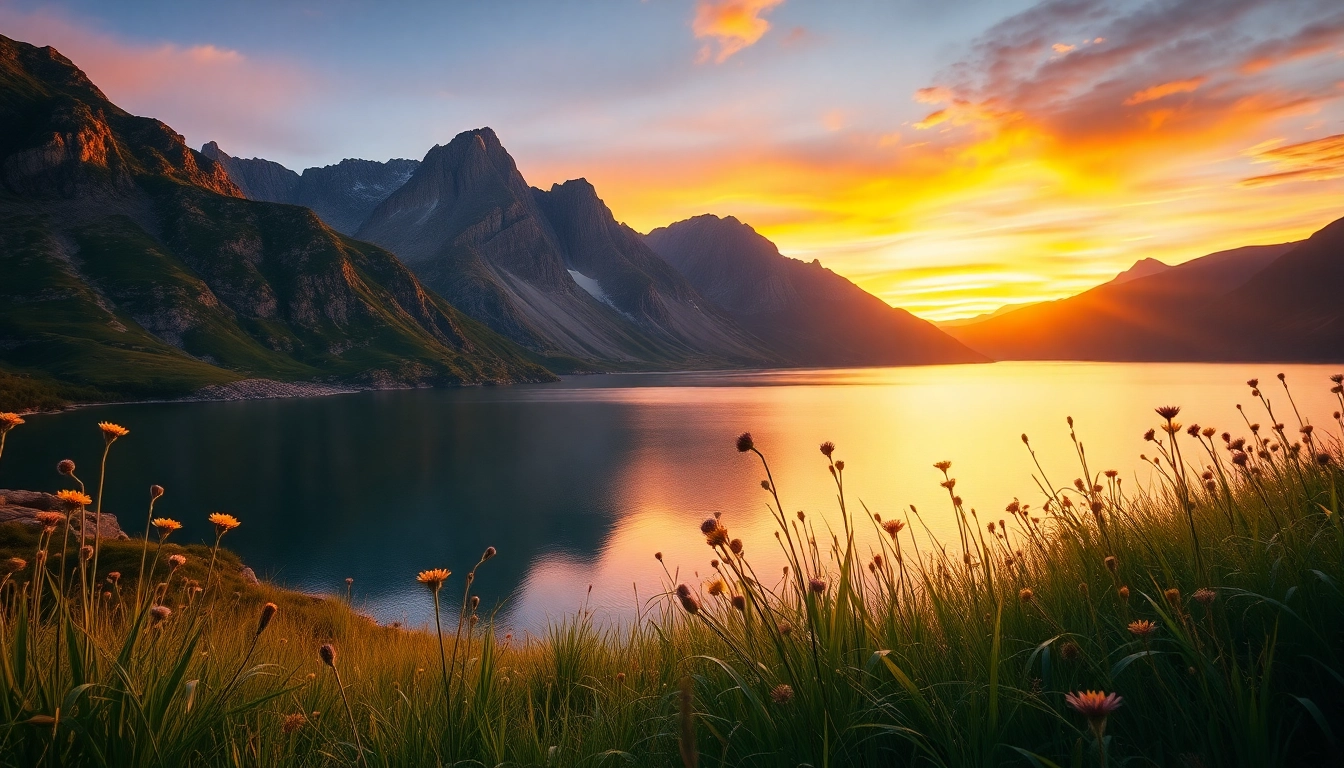
Introduction to Landscapes
Landscapes are more than mere backdrops to our everyday lives; they represent the diverse beauty and complexity of our planet. From sprawling deserts to lush forests, the variety in landscapes shapes not only the way we perceive nature but also how we feel connected to it. Exploring the meaning and types of landscapes enhances our appreciation for them. By delving deeper, we can also better understand their significance across various fields, including photography and art. In today’s world, where we increasingly find solace in nature’s beauty, learning about landscapes is essential.
What Are Landscapes?
At its core, a landscape refers to a visible expanse of land, which encompasses everything from natural features like mountains, rivers, and forests to man-made structures such as roads, buildings, and parks. Landscapes can be classified into two main types: natural and cultural. Natural landscapes are those that exist without human intervention, showcasing elements like mountains, hills, valleys, water bodies, and vegetation in various forms. On the other hand, cultural landscapes are shaped by human activities and often feature agricultural areas, urban spaces, and historical sites. The intersection of these two types creates the unique tapestry of terrain we see across the globe.
Types of Landscapes in Nature
Exploring the different types of landscapes can deepen our understanding of the environment. Several key types include:
- Mountain Landscapes: Characterized by elevated terrains, mountain landscapes often possess rugged beauty and dramatic vistas, providing breathtaking views and an array of biodiversity.
- Coastal Landscapes: These areas of land meet the ocean, featuring sandy beaches, rocky cliffs, and diverse marine life, while also being pivotal for human activities such as tourism and fishing.
- Desert Landscapes: Defined by dry climates and sparse vegetation, deserts showcase unique plants and animals adapted to extreme conditions, offering stunning visuals from golden sands to rugged rock formations.
- Forest Landscapes: Encompassing various biomes, forest landscapes range from tropical rainforests to temperate woodlands. They serve as crucial ecosystems for wildlife and are vital for maintaining biodiversity.
- Wetland Landscapes: These areas, often characterized by marshes and swamps, provide essential habitats for a variety of species and play critical roles in water filtration and flood prevention.
Significance of Landscapes in Art
Landscapes hold immense significance in the world of art, serving not only as subjects but also as mediums for expression. Throughout history, landscapes have been depicted to convey emotions, moods, and cultural narratives. Artists often use landscapes to explore themes of beauty, transience, and the human condition through their works. Moreover, they inspire awe and provoke contemplation, pushing boundaries of creativity and offering viewers a glimpse into the natural world. From classical paintings to contemporary art installations, landscapes remain a timeless source of inspiration that continues to evolve with artistic movements.
Understanding Landscape Photography
Landscape photography is a powerful medium that captures the awe-inspiring beauty of nature. It allows photographers to convey emotion and narrative through visuals, providing viewers with an escape into serene settings. To excel in this field, a deep understanding of techniques, equipment, and aesthetic principles is essential.
Essential Techniques for Capturing Landscapes
The foundation of excellent landscape photography lies in mastering essential techniques such as:
- Use of Leading Lines: Natural lines guide the viewer’s eye through the photograph, emphasizing depth and perspective. These could be paths, rivers, or tree lines that create an inviting composition.
- Depth of Field: Employing a broad depth of field keeps both foreground and background in focus, enhancing the sense of scale and majesty in landscape scenes.
- Use of Filters: Neutral density and polarizing filters can dramatically improve exposure and color vibrancy in landscapes, helping to capture the scene more effectively.
- Composition Techniques: The rule of thirds, symmetry, and framing techniques are invaluable tools that contribute to visually compelling images.
Choosing the Right Equipment
Investing in the right equipment is crucial for any landscape photographer. Key essentials include:
- Camera: A DSLR or mirrorless camera with manual controls enhances your creative control and image quality.
- Lens: A wide-angle lens is ideal for capturing expansive scenes, while a telephoto lens can highlight distant features.
- Tripod: A sturdy tripod is essential for stability, particularly in low light or long exposure settings to prevent blurriness.
- Remote Shutter Release: This accessory minimizes camera shake during long exposures, ensuring sharp photographs.
Lighting and Composition Tips
Lighting plays a crucial role in landscape photography, fundamentally affecting mood and detail. Key considerations include:
- Golden Hour: The soft lighting during sunrise and sunset produces warm tones and enhances visual interest.
- Weather Conditions: Overcast days provide even lighting, reducing harsh shadows while storms can create dramatic atmospheres.
- Planning for Light: Understanding the sun’s path helps optimize your timing for the best light depending on your location and season.
- Foreground Interest: Incorporating foreground elements can add depth and improve overall composition.
Landscapes in Art and Culture
Landscapes have been integral to human expression, influencing art and culture across eras. The portrayal of landscapes in various forms empowers societies to connect their environment with identity and heritage.
Historical Perspectives on Landscapes
Throughout art history, landscapes evolved from mere backgrounds to focal points of emotion and narrative. In ancient civilizations, artists depicted landscapes minimally, often emphasizing religious or human figures. The Renaissance ushered in a new appreciation of nature, where artists like Leonardo da Vinci crafted landscapes that integrated perspective, depth, and realism. The Romantic movement further elevated landscapes, with painters such as Caspar David Friedrich portraying nature’s sublime power and how it reflects human emotion.
Influential Landscape Artists
Several renowned artists have significantly impacted the landscape genre:
- J.M.W. Turner: His atmospheric paintings capture the beauty of light and movement, often blurring the lines between landscape and abstraction.
- Claude Monet: Pioneering the Impressionist movement, Monet’s series of landscape paintings showcase the transient effects of light and color, emphasizing perception over reality.
- Georgia O’Keeffe: Often called the “Mother of American modernism,” O’Keeffe’s striking landscapes and flower studies reflect her intimate connection with the American Southwest.
- Ansel Adams: Renowned for his black-and-white photography, Adams’ landscapes convey the majesty of nature and emphasize conservation through powerful imagery.
Landscapes in Literature and Poetry
Literature and poetry often employ landscapes as settings or metaphors, invoking feelings of tranquility or chaos. Poets like William Wordsworth and Robert Frost used rural landscapes to explore themes of nature and humanity, emphasizing the emotional connection between individuals and their environments. Authors weave descriptive passages that transform landscapes into characters, rich with symbolism and meaning. The interplay between land and narrative encourages readers to reflect on their relationships with nature.
Conservation of Landscapes
With rapid urbanization and climate change threatening our natural world, landscape conservation is more crucial than ever. As stewards of the environment, it is our responsibility to protect and preserve landscapes for future generations.
Importance of Preserving Natural Landscapes
Natural landscapes are vital for maintaining biodiversity and ecological balance. They offer habitats for countless species, contribute to clean air and water, and provide recreational space for people. Preserving these areas ensures the endurance of vital ecosystems that support life and the intrinsic beauty of our planet, which impacts mental well-being and societal health.
Threats to Landscapes Today
Modern landscapes face numerous threats, including:
- Urban Development: Expansion of cities often encroaches upon natural habitats, prompting deforestation and fragmentation of ecosystems.
- Climate Change: Changing climate patterns lead to extreme weather, altering landscapes and threatening wildlife and natural resources.
- Pollution: Chemical runoff and waste disfigure landscapes, impacting both terrestrial and aquatic ecosystems.
Ways to Contribute to Landscape Conservation
Individuals can take action to help conserve landscapes through various means:
- Support Conservation Organizations: Contributing resources or volunteering with organizations dedicated to protecting natural environments.
- Practice Sustainable Tourism: Engage in eco-friendly travel habits, such as leaving no trace in natural areas and respecting local cultures.
- Advocate for Policy Change: Raise awareness and support legislation aimed at protecting natural landscapes and rehabilitation initiatives.
- Educate Others: Sharing knowledge about the importance of landscapes and how to protect them promotes collective responsibility.
Exploring Different Landscapes Around the World
The world is replete with stunning landscapes, each presenting a unique experience for exploration, inspiration, and adventure. Whether traveling to iconic national parks or hidden gems, every landscape offers something extraordinary.
Iconic Landscapes Worth Visiting
Some of the world’s most iconic landscapes attract millions of visitors each year, including:
- Grand Canyon, USA: With its mesmerizing layers of colorful rock, this natural wonder showcases the work of erosion over millions of years.
- Great Barrier Reef, Australia: The world’s largest coral reef system teems with marine life and offers unparalleled diving experiences.
- Mount Fuji, Japan: This iconic volcano is a symbol of Japan, especially stunning when framed by cherry blossoms in springtime.
- Salar de Uyuni, Bolivia: The world’s largest salt flat creates an otherworldly landscape, reflecting skies that appear to stretch endlessly.
The Diversity of Landscapes by Region
Different regions of the world offer a rich tapestry of landscapes, from:
- North America: Boasting mountainous terrains, vast forests, and serene coastlines, it offers diverse ecosystems and breathtaking natural wonders.
- Europe: Home to romantic countrysides, towering mountains, and stunning coastlines, European landscapes often intertwine cultural heritage with natural beauty.
- Africa: Ranging from deserts to savannas and rainforests, Africa’s landscapes are characterized by extraordinary wildlife and cultural diversity.
- Asia: Highlights include the Himalayas’ towering peaks, the serene rice terraces of Southeast Asia, and the unique geological formations found in various places.
- Australia: Features stunning coastal landscapes, vast outback regions, and unique ecosystems, such as the Great Barrier Reef.
Planning Your Landscape Photography Trip
Successful landscape photography requires thoughtful planning. Steps include:
- Research Locations: Explore various landscapes and pinpoint locations that pique your interest and fit your creative vision.
- Consider Seasonality: Each season offers distinct advantages, from snowy scenes to vibrant autumn colors, enhancing your photography.
- Develop an Itinerary: Schedule outings around the best times for lighting conditions, ensuring you maximize each photography opportunity.
- Pack Accordingly: Prepare your photography gear, clothing, and any necessities tailored for the type of landscape you’re capturing.
Frequently Asked Questions
What makes a landscape photograph successful?
A successful landscape photograph combines effective composition, optimal lighting, and the use of techniques like leading lines and depth of field to create a compelling image.
How can I improve my landscape photography skills?
Practice regularly, study the work of experienced photographers, experiment with various techniques, and seek feedback to enhance your landscape photography skills.
What equipment is essential for landscape photography?
Essential equipment includes a DSLR or mirrorless camera, a wide-angle lens, a sturdy tripod, and filters to improve image quality and composition.
How do I choose the best time to capture landscapes?
The best times for landscape photography are during the golden hour, just after sunrise or before sunset, when light is soft and colors are more vibrant.
How can I contribute to landscape conservation?
You can support conservation by volunteering, practicing sustainable tourism, advocating for policy changes, and educating others about the importance of preserving landscapes.