Crafting Your Ideal Cape Cod Home Addition: Design Ideas and Best Practices
1. Understanding Cape Cod Home Addition Essentials
What is a Cape Cod Home Addition?
A cape cod home addition is an extension of a classic Cape Cod style house, which is known for its symmetry, steeply pitched roofs, and dormer windows. These additions can be designed to blend seamlessly with the existing architecture, enhancing both the aesthetics and functionality of the home. Whether it’s expanding the living space by adding a family room, an extra bedroom, or an attached garage, a well-planned addition can improve your home’s value while making it more comfortable for you and your family.
Key Design Features
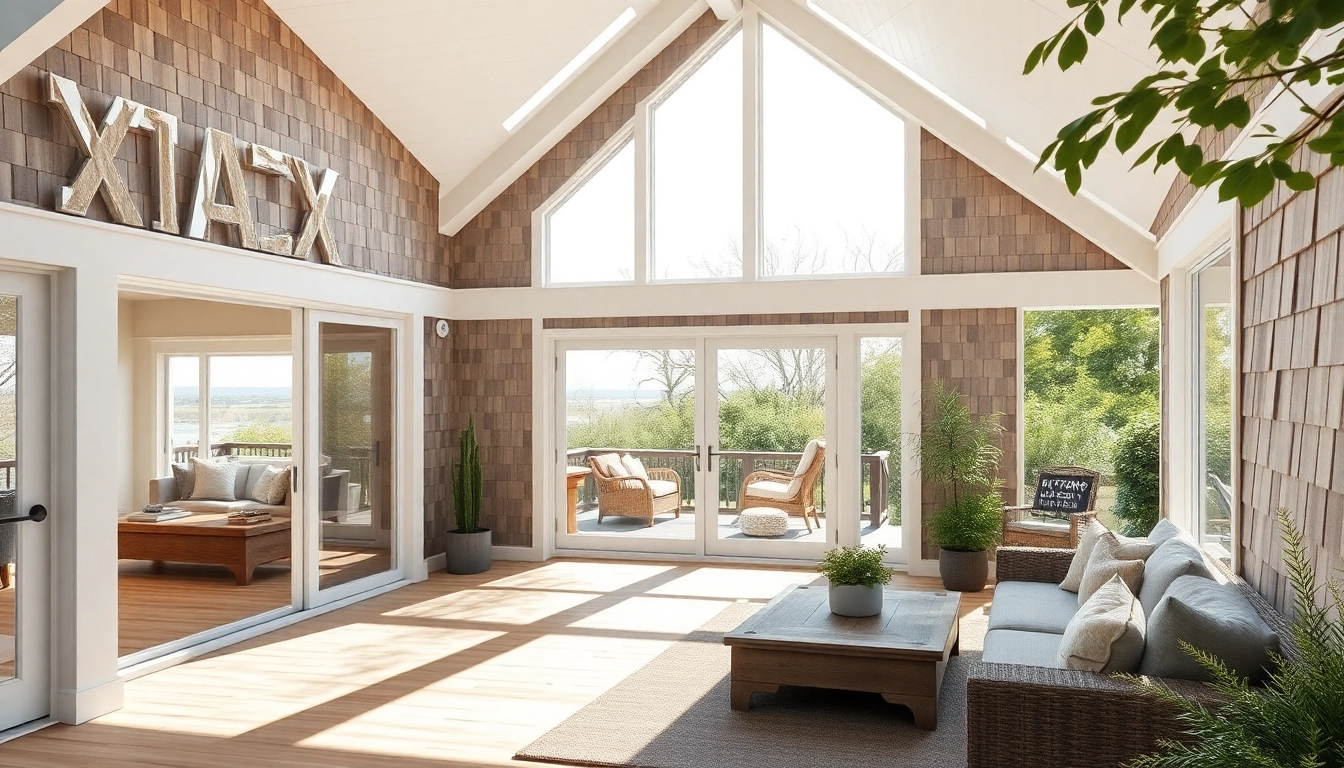
Key features of a Cape Cod home addition often revolve around maintaining consistency with traditional design elements. High, sloping roofs, wooden shingles, and dormer windows are common traits that should be reflected in the new structure. Open floor plans are gaining popularity, allowing for more flow between living areas while preserving the inviting charm characteristic of Cape Cod homes. Furthermore, incorporating large windows not only increases natural light but also connects the interior with the outdoor views.
Common Challenges with Cape Cod Additions
Adding to a Cape Cod home can present unique challenges. The compact nature of these homes means that space can be limited, making it crucial to plan efficiently. Adhering to local zoning laws can also be tricky, as the historical architectural style may have specific restrictions. Balancing modern needs with traditional aesthetics is essential, which can sometimes lead to compromises that need careful consideration during the design process. Consulting with an experienced architect can help navigate these challenges effectively.
2. Planning Your Cape Cod Home Addition
Setting a Budget
Determining your budget for a Cape Cod home addition is one of the most critical steps in the planning process. Begin by assessing your financial situation, and consider how much you are willing to invest. Research similar projects in your area to estimate costs accurately, which typically include materials, labor, and permits. It is wise to allow a margin for unexpected expenses, as renovations can sometimes exceed initial projections. This proactive approach will minimize stress during the project.
Choosing the Right Architect
Selecting an architect with experience in Cape Cod-style homes can greatly influence the success of your addition. Look for professionals who have a portfolio showcasing similar projects, and check references to ensure they have a good reputation. A qualified architect will not only design your addition but can also facilitate communication with contractors and help navigate local regulations, ensuring a smoother construction process.
Permits and Regulations
Before beginning construction, it’s essential to understand the permits and regulations that govern home additions in your locality. This may include zoning laws, building codes, and potential historical preservation guidelines for Cape Cod homes. Applying for the necessary permits can be time-consuming, so it’s advisable to start this process early. Consulting with your architect can help streamline this step, as they will usually be familiar with local requirements.
3. Popular Design Ideas for Cape Cod Home Addition
Modern Meets Traditional Aesthetics
Incorporating modern design elements into a Cape Cod home addition can create a pleasing contrast while respecting the original style. For instance, you might consider using sleek, contemporary materials like glass and metal in harmony with traditional clapboard siding. This juxtaposition can give your home a unique character while remaining true to its roots, striking a balance between old and new.
Maximizing Natural Light
Natural light is a cherished feature of any home, and it can be effectively maximized in a Cape Cod home addition. Consider installing large, strategically placed windows or skylights to flood your new space with sunlight. Open floor layouts can also help diffuse light throughout the surrounding areas, creating an airy feel. When positioned correctly, windows can provide stunning views of the landscape, enhancing your connection to the outdoors.
Sustainable Materials and Practices
As sustainability becomes increasingly important in home design, more homeowners are opting for eco-friendly materials and practices in their Cape Cod home additions. Bamboo flooring, recycled materials, and energy-efficient windows not only help reduce your environmental footprint but can also lead to long-term savings on energy bills. Additionally, implementing green building practices can increase the overall value of your home, making it more appealing to future buyers.
4. Enhancing Functionality in Your Home Addition
Creating Open-Concept Spaces
Open-concept spaces are a popular design trend that effectively creates a sense of flow and spaciousness within a home. By removing unnecessary walls and barriers in your Cape Cod home addition, you can create a multifunctional area where different activities can take place seamlessly. For families, this can mean combining the kitchen, dining, and living areas into one cohesive space, making it easier to entertain guests or keep an eye on children while cooking.
Integrating Smart Home Features
With the rise of smart technology, integrating features like smart thermostats, lighting, and security systems into your Cape Cod home addition can enhance both convenience and efficiency. These systems can help streamline daily life, allowing for remote control and automation of various home functions. As technology continues to evolve, investing in smart features now can make your home more functional and appealing to tech-savvy buyers in the future.
Outdoor Living Areas
Outdoor living areas have gained immense popularity, particularly in Cape Cod homes where beach and outdoor activities are cherished. Consider designing your addition to include a deck, patio, or porch that extends your living space outside. Incorporating elements like fire pits, outdoor kitchens, or cozy seating areas can create inviting environments for entertaining and relaxing in the warm summer months. Thoughtful landscaping can further enhance these spaces, seamlessly blending indoor and outdoor living.
5. Final Touches and Decoration for Your Cape Cod Home Addition
Interior Design Tips
The interior design of your Cape Cod home addition should reflect the warmth and charm associated with the style. Utilize a palette of soft, coastal colors—think blues, whites, and grays—alongside natural materials like wood and stone to create a cohesive aesthetic. Consider incorporating vintage or nautical elements as decor to reinforce the traditional feel while ensuring that the overall look remains fresh and inviting.
Landscaping Considerations
Landscaping plays a crucial role in enhancing the curb appeal of your Cape Cod home addition. Choose native plants that suit the local climate and require minimal maintenance. A lush garden, flowering shrubs, or flowering vines can draw attention to the architectural features of your home. Adding pathways, outdoor lighting, and decorative elements will not only beautify your yard but also create inviting outdoor spaces.
Creating a Cohesive Look
To ensure that your Cape Cod home addition feels like a seamless extension of the original structure, maintain design consistency across all new elements. Use similar exterior materials, design patterns, and color schemes to connect the new addition with the existing home. Inside, consider reusing furniture styles or decorative accents to enhance a unified design language throughout the entire house.
Frequently Asked Questions
1. How long does it take to complete a Cape Cod home addition?
The timeline for a Cape Cod home addition can vary greatly depending on complexity, but typically, it can take anywhere from a few months to over a year, including planning and permitting.
2. What are the costs associated with a Cape Cod home addition?
Costs can differ significantly based on design and size. On average, homeowners may spend between $100 to $300 per square foot for a quality addition.
3. Can I add a second story to my Cape Cod home?
Yes, adding a second story can enhance space, but it must be done carefully. It’s essential to consult with an architect to ensure structural integrity and design harmony.
4. Do I need to worry about zoning laws when planning an addition?
Yes, zoning laws play a crucial role in home additions. It’s important to check local regulations that may impact the size, location, and design of your addition.
5. How can I ensure my addition blends well with the existing home?
Maintain consistency in materials, rooflines, and color schemes. Consulting with an experienced architect can help create a cohesive design that enhances your home’s character.