Understanding Commercial Roofing Services
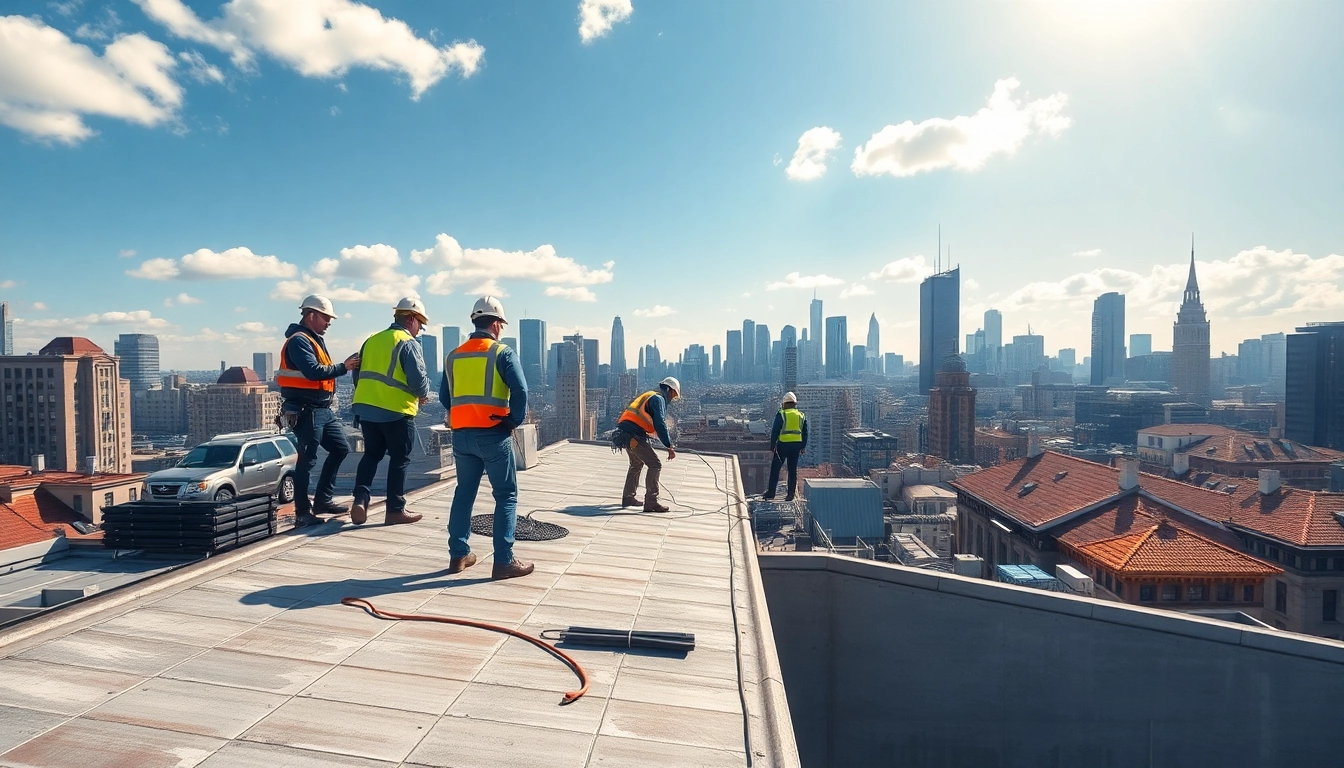
When it comes to safeguarding your business, one of the most significant investments you can make is in your roof. Commercial roofing services play a crucial role in maintaining the integrity and performance of your business premises. From installation to repair and maintenance, these specialized services ensure that your roof remains a durable barrier against the elements, protecting your investment in the long run. As you explore the world of commercial roofing, commercial roofing services become an essential focal point to consider.
What Are Commercial Roofing Services?
Commercial roofing services encompass a wide array of solutions tailored specifically to meet the needs of businesses, industrial facilities, and commercial properties. These services typically include the installation, maintenance, inspection, and repair of roofs designed to withstand unique challenges presented by a commercial environment.
Unlike residential roofs, commercial roofs must support heavier loads, deal with larger surface areas, and accommodate varied foot traffic and equipment such as HVAC systems. This specialization is essential to ensure both safety and performance, often involving materials and methods that differ significantly from those used in residential roofing.
Types of Commercial Roofing Solutions
There is no one-size-fits-all solution in commercial roofing. The type of roofing system you choose depends on various factors, including the building's design, climate, budget, and intended use. Common types of commercial roofing solutions include:
- Flat Roofs: Often constructed with materials like TPO (Thermoplastic Olefin), EPDM (Ethylene Propylene Diene Monomer), or PVC (Polyvinyl Chloride), flat roofs are prevalent due to their ease of installation and maintenance.
- Metal Roofing: Known for its durability and longevity, metal roofing is available in various styles, including standing seam and corrugated. It's ideal for structures that require robust weather resistance.
- Built-Up Roofing (BUR): This traditional method involves multiple layers of tar and gravel, providing excellent waterproofing and insulation properties, making it a reliable option for flat roofs.
- Modified Bitumen: This is an evolution of BUR, offering enhanced performance and installation efficiency. It is popular for low-slope commercial roofs.
- Green Roofs: Also known as living roofs, these are becoming increasingly popular for their environmental benefits, including improving energy efficiency and reducing stormwater runoff.
Benefits of Professional Installation
Investing in professional commercial roofing services yields numerous benefits:
- Expertise and Experience: Professionals bring specialized knowledge about roofing that ensures optimal installation and adherence to building codes.
- Warranty Protection: Many reputable roofing contractors offer warranties that safeguard your investment against defects in workmanship and materials.
- Safety Compliance: Commercial roofing projects involve significant risks, including working at heights. Professional crews are trained to adhere to safety regulations, minimizing the likelihood of accidents.
- Longevity and Performance: Proper installation leads to enhanced durability, ensuring your roof performs well for years while preventing leaks and other issues.
Choosing the Right Commercial Roofing Services
Selecting the appropriate commercial roofing service provider is a crucial step in ensuring the success of your roofing project. With numerous options available, it’s essential to make an informed choice that aligns with your business needs.
Factors to Consider When Selecting a Provider
When evaluating potential roofing contractors, consider the following factors:
- Experience and Specialization: Look for companies with significant experience in commercial roofing and a proven track record in similar projects.
- Reputation: Research reviews and testimonials from past clients to gauge the company's reliability and quality of work.
- Licensing and Insurance: Ensure that the contractor holds the necessary licenses and insurance to protect both your property and their workers.
- Warranty Offerings: Inquire about warranties on materials and workmanship, which can add significant value to your investment.
- Communication Skills: A reliable contractor should maintain clear lines of communication throughout the project, explaining processes and addressing concerns.
Common Mistakes to Avoid
Making an uninformed decision when selecting commercial roofing services can lead to costly mistakes. Here are some pitfalls to avoid:
- Choosing Based on Price Alone: While budget is crucial, opting for the lowest bid could result in subpar quality and inadequate services.
- Neglecting Research: Failing to check reviews, references, and credentials can lead to hiring an unreliable contractor.
- Ignoring Contracts: Always read through contracts carefully; clarify terms regarding timelines, costs, and warranties before proceeding.
- Overlooking Safety Practices: Ensure that contractors adhere to safety standards to protect your property and personnel during installation.
How to Evaluate Roofing Proposals
When you receive proposals from various contractors, evaluating them thoughtfully is crucial. Here’s how to analyze roofing proposals effectively:
- Itemized Costs: Look for detailed breakdowns of labor, materials, and any additional fees. This transparency helps assess the true cost of the project.
- Scope of Work: Ensure the proposal outlines the entirety of the project, including materials, equipment, and timelines.
- Material Quality: Investigate the quality of materials proposed; lower-quality options may be less expensive initially but could lead to higher long-term costs.
- Customization Options: Assess whether the contractor provides options catered to your specific needs, such as energy-efficient materials or design preferences.
Maintenance and Repair for Commercial Roofing Services
Proper maintenance is vital to extend the life of your commercial roof. Implementing a structured maintenance program ensures any issues are promptly addressed before they escalate into more significant problems.
Importance of Regular Roof Inspections
Regular roof inspections provide valuable insights into your roofing system's condition. They help identify potential issues early, saving your business time and money in the long run. Here are some key advantages:
- Preventative Maintenance: Observing early signs of wear, such as cracks or pooling water, allows you to address these problems before they develop into larger, costlier issues.
- Insurance Compliance: Many insurance policies require regular maintenance and inspections to remain valid. Meeting these requirements protects your business in case of claims.
- Enhanced Lifespan: Regular care and timely repairs can significantly extend the lifespan of your roofing system, providing greater value over time.
Identifying Repair Needs
Knowing how to identify when your commercial roof needs repairs is crucial. Watch for common warning signs, such as:
- Visible leaks or water stains inside the building.
- Loose or missing shingles, tiles, or roofing membranes.
- Pooling water on the roof surface.
- Debris collecting on the roof, which can trap moisture and lead to deterioration.
- Cracks or blisters in the roofing material.
Best Practices for Roof Maintenance
To ensure the longevity of your commercial roof, consider implementing the following best practices:
- Regular Cleaning: Keep debris, leaves, and dirt off the roof to prevent moisture buildup and mold growth.
- Schedule Inspections: Conduct professional inspections at least once or twice a year and after severe weather events.
- Prompt Repairs: Address any identified issues immediately to avoid more extensive damage and repair costs.
- Maintain Drainage Systems: Ensure gutters and downspouts are clear to allow for proper water drainage and prevent pooling.
Cost Considerations for Commercial Roofing Services
Understanding the costs associated with commercial roofing services is critical for effective budget planning. Various factors influence pricing, and being aware of these can help you make informed decisions.
Average Pricing Models
The cost of commercial roofing can vary widely based on several components:
- Type of Roofing Material: Different materials have different price points, delivery costs, and installation expenses. For example, metal roofs tend to be more expensive than BUR systems but may offer longer lifespans.
- Roof Size and Design: Larger roofs naturally require more materials and labor. Complex roof designs might also increase installation costs.
- Labor Costs: The pricing structure of your selected contractor will significantly affect your overall expenses. Always consider labor costs as they often represent a significant portion of the budget.
- Geographic Location: Costs can differ based on regional labor rates and material availability, so it’s essential to factor this into your overall budget.
Financing Options and Budgeting Tips
Commercial roofing projects can represent substantial financial commitments. Here are some strategies for managing these costs effectively:
- Explore Financing Options: Many roofing contractors partner with financing companies, offering plans that allow you to manage expenses over time.
- Consider Long-Term Savings: While upfront costs can be significant, opt for materials and systems that offer energy efficiency and long-term benefits.
- Create a Maintenance Budget: Allocate funds for regular maintenance and potential repairs, ensuring you can address any issues without delay.
Long-Term Investment Benefits
Investing in high-quality commercial roofing services ultimately pays off. Here are some of the long-term benefits:
- Reduced Energy Costs: Energy-efficient roofing systems can lower your heating and cooling expenses, providing ongoing savings.
- Increased Property Value: A well-maintained roof contributes to the overall value of the property, making it more attractive to potential buyers or lessees.
- Less Frequent Repairs: Quality installations reduce the frequency of repairs and replacements, ultimately leading to lower long-term costs.
Future Trends in Commercial Roofing Services
The commercial roofing industry is continuously evolving, with innovative technologies and practices shaping the future of roofing solutions. Staying abreast of these trends can position your business for success.
Innovative Materials and Technologies
Advancements in roofing materials and technologies are enhancing durability and energy efficiency. A few trends to watch include:
- Cool Roofing: Cool roofing materials reflect sunlight, reducing heat absorption and helping lower cooling costs.
- Smart Roof Systems: Increasingly, roofs are integrated with IoT sensors that monitor conditions in real time, facilitating proactive maintenance.
- Recyclable Materials: The trend towards sustainability has led to the development of recyclable roofing materials, aligning with environmental objectives.
Sustainability in Roofing Practices
Environmental consciousness is reshaping how commercial roofing contractors operate. Key aspects include:
- Green Roofing Solutions: As mentioned earlier, green roofs promote biodiversity, manage stormwater, and provide insulation benefits.
- Energy-Efficient Installations: Implementing energy-efficient materials reduces the demand for fossil fuels while simultaneously cutting operational costs.
- Sustainable Disposal Practices: Many companies are prioritizing responsible disposal of old roofing materials, minimizing landfill impacts.
Anticipating Market Changes
The commercial roofing market is dynamic, influenced by economic and environmental shifts. Businesses need to prepare for emerging trends, including changing regulatory requirements and evolving consumer preferences for more sustainable practices.
By staying informed and adaptable, businesses can ensure their roofing needs are met with the most effective contemporary solutions while remaining competitive in the market.