The Science Behind Marginal Pond Plants: Expert Insights for Thriving Aquatic Gardens
Understanding Marginal Pond Plants and Their Role
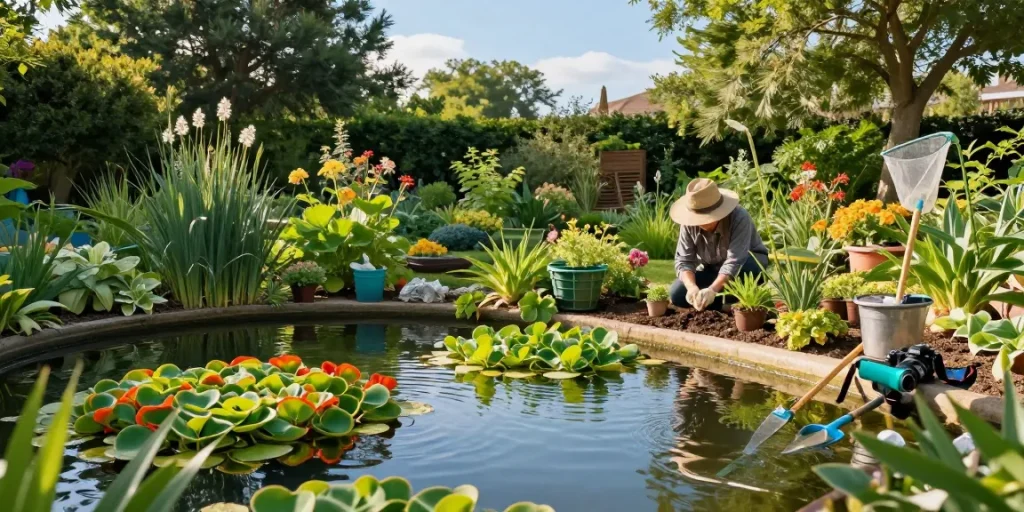
Marginal pond plants are essential components of aquatic ecosystems, providing aesthetic beauty and ecological benefits. These plants typically reside at the edges of ponds, lakes, and streams where water and land intersect. Their unique positioning allows them to thrive in saturated soils while also experiencing periodic inundation. When exploring options, Marginal Pond Plants offer a diverse array of choices that cater to both functional and design purposes in garden settings.
What Are Marginal Pond Plants?
Marginal pond plants are defined as those species that grow in shallow waters, specifically in areas where the depth is typically less than 15 centimeters. They often have a wide array of adaptations that allow them to survive fluctuating water levels, including rhizomes, which enable them to spread horizontally and stabilize the soil. Common examples include reeds, sedges, and various flowering plants such as yellow flag iris (Iris pseudacorus) and water mint (Mentha aquatica).
Importance of Marginal Plants in Ecosystems
These plants play crucial roles in their habitats by improving biodiversity, stabilizing shorelines, and providing habitat for aquatic life. Marginal plants act as a buffer, reducing erosion by holding soil together with their root systems. Additionally, they offer protective cover and breeding grounds for fish, amphibians, and invertebrates, thereby enhancing the overall health of water bodies.
Common Types of Marginal Pond Plants
- Reeds (Phragmites australis): Tall, grass-like plants that provide excellent habitat for wildlife.
- Sedges (Carex spp.): Versatile plants that thrive in various moisture levels and soil types.
- Flag Iris (Iris pseudacorus): Notable for its striking yellow flowers, ideal for attracting pollinators.
- Water Mint (Mentha aquatica): Aromatic and attractive, it is beneficial for pollinators and offers culinary uses.
- Marsh Marigold (Caltha palustris): Early bloomers that bring vibrant color to pond margins.
Choosing the Right Marginal Pond Plants for Your Garden
Selecting the appropriate marginal pond plants for your garden involves several key factors. The health of your pond is significantly impacted by the types of plants you introduce, as they can either support or disrupt the ecosystem.
Factors to Consider When Selecting Plants
When choosing marginal plants, consider the following:
- Water Depth: Different species have varying tolerances for water depth. Ensure the plants you select are suited to the specific conditions of your pond.
- Soil Type: Some plants flourish in sandy soils, while others prefer clay or loam.
- Sunlight Exposure: Evaluate how much sunlight your pond receives, as some plants thrive in full sun, while others prefer partial shade.
- Maintenance Requirements: Consider how much time you can dedicate to plant care, as some species require regular maintenance, while others are more low-maintenance.
Native vs. Non-native Marginal Pond Plants
Choosing between native and non-native species can have significant ecological implications. Native plants are adapted to local environmental conditions, require less maintenance, and support local wildlife effectively. Non-native plants may offer aesthetic diversity but can become invasive and disrupt the local ecosystem if not managed properly. Therefore, it’s generally advisable to prioritize native marginal pond plants in your selections.
Seasonal Considerations for Planting
Timing your planting can greatly affect plant establishment and growth. Early spring is often the best time to introduce marginal plants as they prepare for the growing season. Additionally, choosing plants that bloom at different times throughout the season can extend your garden’s beauty and support pollinators year-round.
Planting and Maintenance Practices for Marginal Pond Plants
Best Planting Techniques for Aquatic Gardens
When planting marginal pond plants, it’s essential to ensure they have enough space to grow. Planting in clumps rather than single specimens creates a more natural look and promotes biodiversity. Use aquatic planting baskets filled with a heavy loamy soil to anchor the plants in place while allowing roots to grow freely. Position plants at varying heights to create depth and visual interest.
Water Quality Management for Healthier Plants
Healthy water conditions are vital for the success of marginal pond plants. Regular testing for pH, turbidity, and nutrient levels can help in maintaining optimal growth conditions. Consider incorporating natural filtration systems, such as biofilters or aquatic grasses, to enhance water quality and support a thriving pond ecosystem.
Maintenance Tips for Longevity and Vibrancy
For the sustained health of your marginal plants, regular maintenance is crucial. This includes:
- Pruning: Remove dead or overgrown foliage to keep plants healthy and promote new growth.
- Fertilizing: Use organic fertilizers sparingly to encourage robust plant growth without overwhelming the ecosystem.
- Monitoring: Regularly check for pests or diseases and address any issues promptly to reduce stress on the plants.
Benefits of Incorporating Marginal Pond Plants
Enhancing Aesthetic Appeal of Water Features
Marginal pond plants contribute significantly to the visual appeal of a water garden. Their unique textures, shapes, and colors can complement other garden elements and provide year-round interest. By carefully selecting a mix of plants with different bloom times and foliage, you can create a stunning landscape that transforms any garden into a tranquil oasis.
Supporting Local Wildlife and Biodiversity
Incorporating a diverse range of marginal plants supports local wildlife, providing essential habitat and food sources for various species. Birds, butterflies, and beneficial insects are attracted to the flowers and seeds, creating a vibrant ecosystem around your pond. The root structures also offer shelter for aquatic species, enhancing the overall biodiversity of your garden.
Improving Water Quality and Pond Health
Marginal plants play a pivotal role in maintaining water quality. They absorb excess nutrients, reducing the likelihood of algal blooms, and filter pollutants, resulting in cleaner water. Additionally, their root systems stabilize sediment and prevent erosion, contributing to the health of the entire pond ecosystem.
The Future of Marginal Pond Plants in Sustainable Gardening
Emerging Trends in Aquatic Plant Cultivation
As sustainable gardening practices gain momentum, the cultivation of marginal pond plants is increasingly recognized for its environmental benefits. Techniques such as permaculture and natural gardening focus on using native plants to promote biodiversity and reduce chemical inputs.
Community Initiatives in Native Plant Restoration
Growing awareness of the importance of biodiversity has led to community initiatives aimed at restoring native plant populations. Many local organizations and gardening clubs now promote the use of native marginal pond plants in public spaces and home gardens alike, thereby contributing to local ecosystems and encouraging sustainability.
Preparing for Climate Change: Adaptive Strategies
As climate change continues to impact ecosystems, selecting resilient and adaptable marginal plants will be crucial. These plants must withstand varying water levels, temperatures, and potential invasive species. Research into hardier species and breeding programs focusing on resilience will help gardeners adapt to these changing conditions.
How to Create a Sustainable Pond Environment?
Creating a sustainable pond environment involves integrating native marginal plants, providing diverse habitats, and minimizing chemical usage. Utilize natural processes such as composting and organic pest control to maintain a healthy ecosystem. Additionally, consider water conservation techniques, such as rainwater harvesting, to support your water garden sustainably.
What Are the Best Marginal Pond Plants for Wildlife?
Choosing marginal plants that attract wildlife can enhance your garden’s ecological value. Some of the best species include:
- Butterfly Weed (Asclepias tuberosa): Attracts butterflies and other pollinators.
- Joe-Pye Weed (Eutrochium spp.): Provides nectar for bees and butterflies.
- Cardinal Flower (Lobelia cardinalis): Supports hummingbirds and other pollinators.
How Do Marginal Plants Affect Water Quality?
Marginal plants significantly influence water quality through nutrient uptake and sediment stabilization. They help filter pollutants and excess nutrients, which can lead to healthier aquatic environments. This process reduces the frequency and intensity of harmful algal blooms and contributes to overall pond health.
Can Marginal Plants Help Control Algae Growth?
Yes, marginal plants can effectively control algae growth by outcompeting algae for nutrients and light. By maintaining balanced nutrient levels and providing shade to the water surface, these plants create an environment that discourages algal proliferation.
What Are the Ideal Conditions for Marginal Pond Plants?
Ideal conditions for marginal pond plants include:
- Sunlight: Most prefer full to partial sun.
- Soil: Moist, nutrient-rich soil that retains water.
- Water Level: Typically, they thrive in shallow water, ranging from a few centimeters to about 15 centimeters deep.
How Often Should Marginal Pond Plants Be Pruned?
Pruning frequency will depend on the growth rate of the species and individual garden conditions. Generally, a light pruning in early spring and again in late summer can help maintain shape and promote healthy growth. Regularly monitor plants and prune as necessary to prevent overcrowding and maintain visual appeal.